On November 30, 2024,
PCB Bows to BCCI: Hybrid Model Accepted for ICC Champions Trophy 2025, the Pakistan Cricket Board (PCB) made a significant decision regarding the upcoming ICC Champions Trophy 2025. After intense discussions and pressure from the International Cricket Council (ICC), the PCB has officially accepted the hybrid model proposed for hosting the tournament. This development comes amid ongoing tensions between India and Pakistan regarding security concerns and travel logistics.
The Hybrid Model Explained
The hybrid model allows for a unique arrangement where matches involving India will be played in a neutral venue, while other matches will take place in Pakistan. This solution aims to accommodate India’s reluctance to travel to Pakistan due to security issues while still allowing Pakistan to host the majority of the tournament.
The decision marks a crucial turning point in the negotiations that have been ongoing for months. Initially, the PCB was firmly opposed to this model, arguing that it would create an imbalance and give India undue advantage. However, with the ICC’s insistence and the potential financial implications of India not participating, the PCB had to reconsider its stance.
Background of the Negotiations
The road to this agreement has been fraught with challenges. Following India’s refusal to send its cricket team to Pakistan for the tournament, discussions reached an impasse. The ICC held emergency meetings to address these concerns, emphasizing that without India’s participation, the tournament would lose significant revenue and viewership.
Former cricketer Shahid Afridi had previously voiced strong support for the PCB’s initial position against the hybrid model. He criticized the intertwining of politics with sports and called for fairness in international cricket. Despite this, the PCB faced mounting pressure from both the ICC and financial stakeholders who highlighted that a Champions Trophy without India would be detrimental.
PCB’s Acceptance
In a statement following their decision, PCB Chairman Mohsin Naqvi acknowledged the complexities involved in reaching this agreement. “We have made this decision with a heavy heart but also with an understanding of the broader implications for cricket,” he said. “Our priority remains to host a successful tournament while ensuring that our players get adequate exposure on an international stage.”
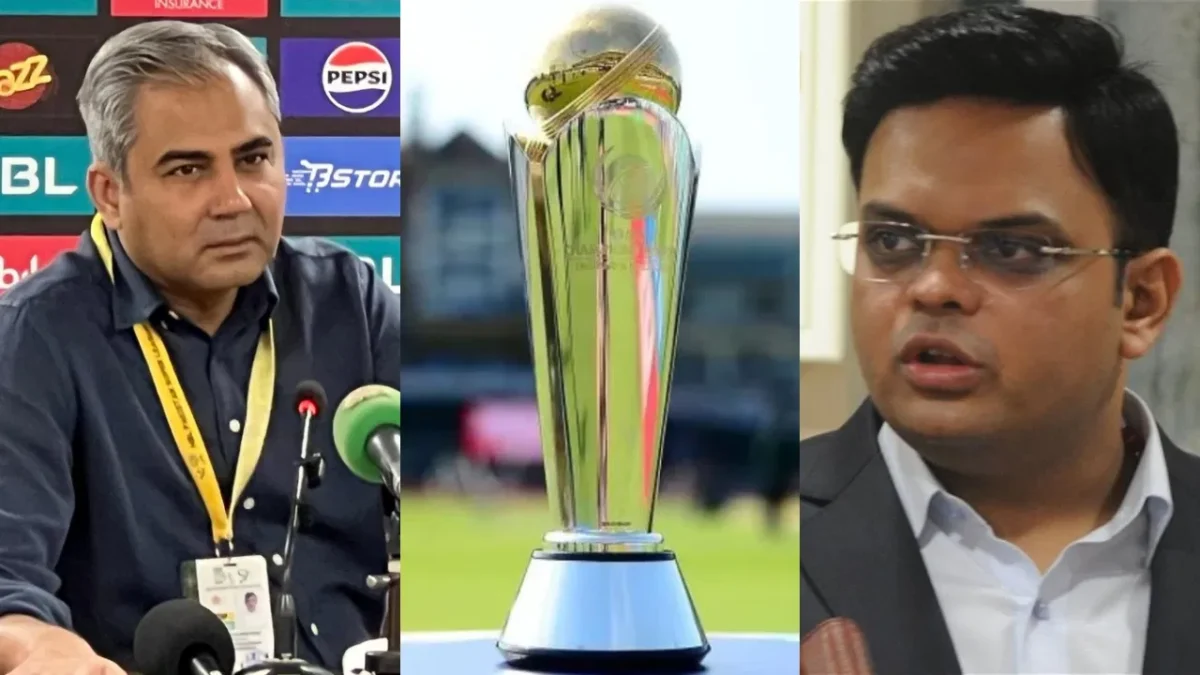
Naqvi also emphasized that while they accepted the hybrid model for this tournament, they would continue to advocate for equal treatment in future events. “We hope that this model does not set a precedent that compromises our standing in international cricket,” he added.
Reactions from Stakeholders
The acceptance of the hybrid model has elicited mixed reactions from various stakeholders within the cricketing community. Many fans expressed disappointment over what they perceive as a compromise on Pakistan’s part. Social media platforms were flooded with comments reflecting both support and criticism of PCB’s decision.
Conversely, several former cricketers and analysts welcomed the move as a pragmatic solution given the circumstances. Wasim Akram, a legendary Pakistani bowler, commented, “It’s crucial for cricketing ties between nations to remain intact. This is a step towards normalizing relations through sports.”
Financial Implications
The financial stakes surrounding this decision are enormous. The ICC stands to lose millions if India does not participate in major tournaments like the Champions Trophy. Broadcasters have also indicated that their investments hinge on India’s involvement in such events.
By accepting the hybrid model, PCB ensures that it retains some hosting rights while still benefiting financially from matches played at neutral venues like the UAE. This arrangement is expected to attract significant viewership and sponsorship deals, crucial for both PCB and ICC.
Looking Ahead
As preparations begin for the Champions Trophy scheduled between February 19 and March 9, 2025, all eyes will be on how effectively both teams can adapt to this new format. The hybrid model will require meticulous planning and coordination between various cricket boards.
Additionally, there are ongoing discussions about security arrangements for matches held in Pakistan and those at neutral venues. Ensuring safety will be paramount as both teams prepare for what promises to be an exciting tournament filled with high-stakes matches.
A New Chapter in Cricket Relations
The acceptance of the hybrid model by PCB marks a significant moment in cricket diplomacy between India and Pakistan. While it reflects a compromise under challenging circumstances, it also opens doors for future collaborations in international cricket.
As fans eagerly await what lies ahead in ICC Champions Trophy 2025, this development serves as a reminder of how sports can bridge divides—even amidst political tensions. With both teams gearing up for this prestigious event, cricket enthusiasts around the world are hopeful for thrilling matches ahead!