On October 24, 2024,
Turkey launched a significant military operation against armed Kurdish groups in response to a deadly attack on a defense firm in Ankara. The assault, which claimed the lives of five individuals and injured over twenty others, has reignited tensions between Turkey and the Kurdistan Workers’ Party (PKK), a group that the Turkish government considers a terrorist organization.
The Attack on Turkish Aerospace Industries
The violence erupted earlier in the day at the headquarters of Turkish Aerospace Industries (TUSAŞ), a state-owned defense manufacturer. Reports indicate that assailants used explosives and firearms during the attack, which occurred around the time when shifts were changing at the facility. This timing was particularly devastating, as it maximized the potential for casualties.
Interior Minister Ali Yerlikaya suggested that members of the PKK were likely responsible for the attack. However, no group has officially claimed responsibility yet. The incident marks a troubling escalation in violence that has been simmering for years between Turkey and Kurdish militants.
Turkey’s Military Response
In retaliation for the TUSAŞ attack, Turkey’s air force targeted PKK positions in northern Iraq and Syria. The Turkish Defense Ministry announced that 32 targets were destroyed in these airstrikes. They emphasized their commitment to fighting terrorism “with determination and resolve until not a single terrorist remains.”
This military response highlights Turkey’s long-standing strategy of conducting cross-border operations against Kurdish groups it views as threats to national security. The PKK has been engaged in an armed struggle against the Turkish state since the 1980s, seeking greater autonomy for Kurds in Turkey.
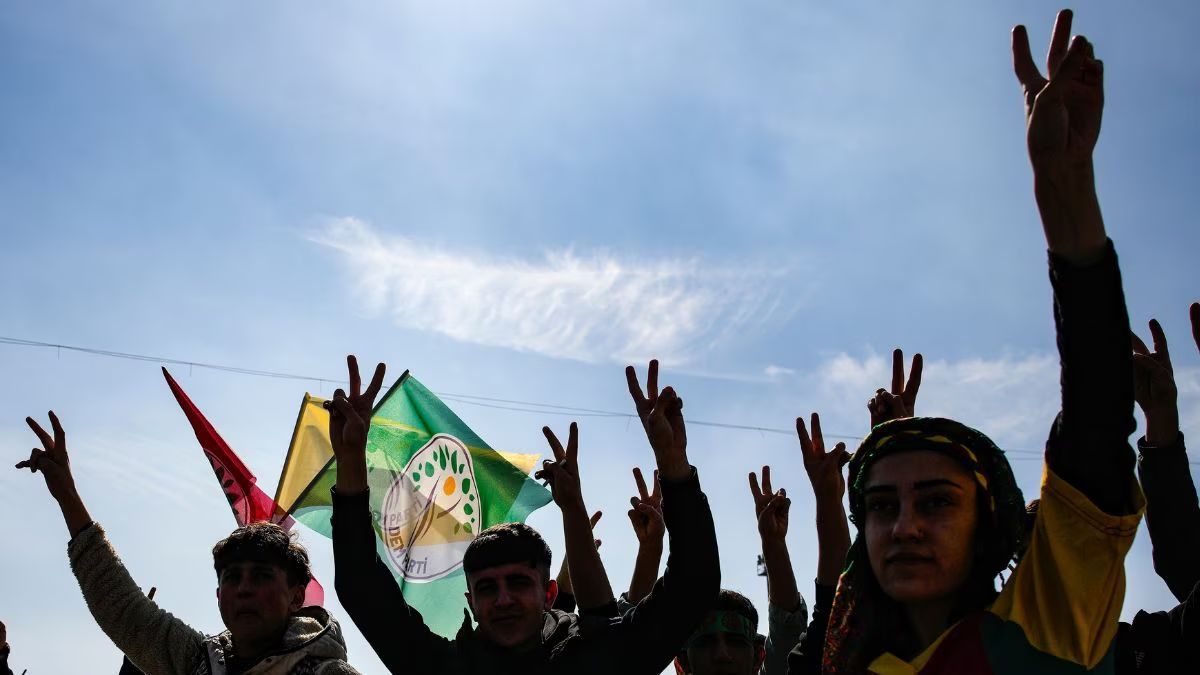
The Broader Context
The recent attack on TUSAŞ is not an isolated incident; it reflects ongoing tensions between Turkey and Kurdish groups across the region. The PKK has been involved in numerous attacks against Turkish military and civilian targets over the years, leading to thousands of deaths. In response, Turkey has intensified its military operations both domestically and abroad.
The situation is further complicated by geopolitical factors involving neighboring countries like Syria and Iraq, where various Kurdish factions operate. These groups often receive support from different international actors, which adds layers to an already complex conflict.
Domestic Reactions
The attack on TUSAŞ has sparked outrage among Turkish citizens and officials alike. President Recep Tayyip Erdoğan condemned the incident as a “despicable act of terrorism” during a meeting with Russian President Vladimir Putin. He vowed that security forces would respond swiftly to eliminate any threats.
Public sentiment appears to be largely supportive of military action against Kurdish militants following this attack. Many citizens are calling for a strong response to ensure national security and prevent further violence.
Implications for Regional Stability
The escalation of conflict between Turkey and Kurdish groups poses serious implications for regional stability. As Turkey continues its military operations, there is concern about potential retaliatory attacks from Kurdish factions. Additionally, this conflict could strain relations between Turkey and its neighbors, particularly if cross-border operations lead to civilian casualties or displacement.
Human rights organizations have also raised alarms about the impact of military actions on local populations. Civilians often bear the brunt of such conflicts, leading to displacement and humanitarian crises in affected areas.
International Reactions
Internationally, reactions to Turkey’s military actions remain mixed. Some Western allies have expressed support for Turkey’s right to defend itself against terrorism but have also urged restraint to avoid escalating violence further.
The United States has historically maintained a complex relationship with both Turkey and Kurdish groups in the region. While recognizing Turkey’s concerns about security threats, U.S. officials have also acknowledged the role of Kurdish fighters in combating ISIS in Syria.
The attack on Turkish Aerospace Industries has reignited tensions between Turkey and armed Kurdish groups, leading to a significant military response from Ankara. As Turkey intensifies its operations against the PKK and other Kurdish factions, concerns about regional stability and humanitarian impacts grow.
The situation remains fluid, with potential repercussions not only for Turkey but also for its neighbors and international relations in the region. As investigations into the TUSAŞ attack continue, all eyes will be on how this conflict unfolds in the coming days and weeks.
In this volatile environment, understanding the complexities of these dynamics is crucial for anyone following developments in Middle Eastern politics and security issues. The fight against armed Kurdish groups is not merely a national concern for Turkey; it resonates across borders, impacting various stakeholders involved in this protracted conflict.